




The Secret Life of Winter Pests: A Behind-the-Walls Survival Story
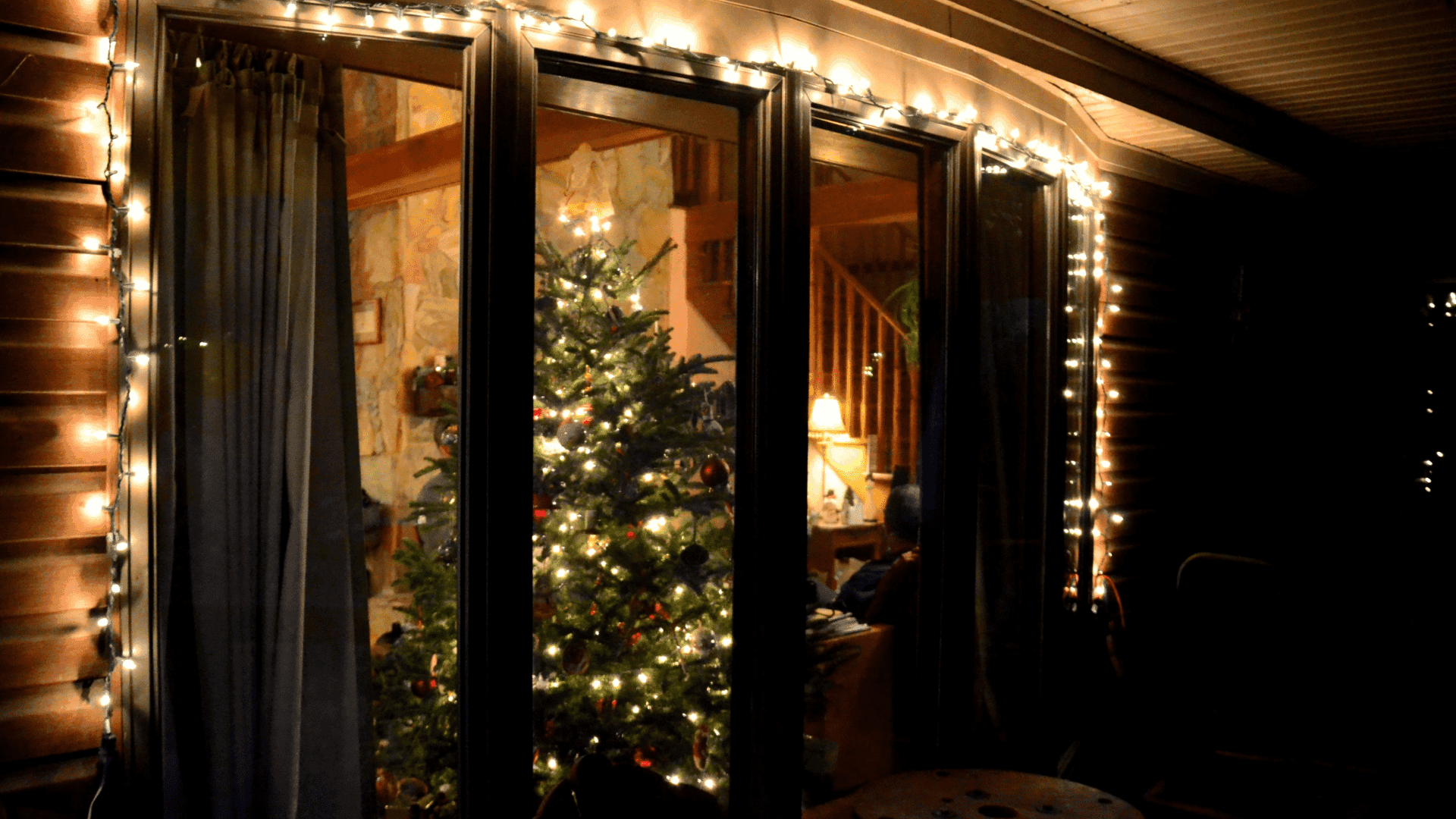
Winter changes the pace of life outdoors, but inside the walls of a Southern home, an entirely different ecosystem begins to take shape. While cold air settles outside, the quiet spaces indoors become a patchwork of warmth, moisture, shelter, and opportunity.
For many pests, this is the only way to survive the season. This shift is well documented by the National Pest Management Association, which reports significant increases in indoor pest activity during colder months (PestWorld).
Let’s take a closer look at how pests navigate winter, told through the lens of what actually happens behind the walls, under the floors, and in the stillness of attics and basements.
When Temperatures Drop, Your Home Becomes a Microclimate
According to seasonal forecasts from the NPMA, millions of pests enter homes each winter in search of steady warmth, moisture, and protection from the elements (PestWorld). Wall voids hold rising heat. Attics stay dry and undisturbed. Basements and crawlspaces collect moisture that insects rely on for survival. These indoor pockets create something pests cannot find outdoors during winter: stability.
Even slight temperature differences, such as warmth from a dryer vent or the insulation near a water heater, can act as attractants. Pest management professionals warn that in years of extended mild temperatures, rodent activity and reproduction can increase indoors (Pest Management Professional).
Rodents: The Winter Nest Builders
Winter is a time of peak rodent movement. As temperatures fall, mice and rats begin scanning homes for any structural weakness. A gap as small as a quarter is enough for a rodent to slip through and disappear inside insulation. NPMA estimates that rodents invade more than 21 million homes each winter as outdoor conditions become less favorable (PestWorld).
Once indoors, rodents instinctively choose the warmest, least disturbed spaces available. Attics, wall cavities, and basements provide ideal nesting sites where insulation materials can be shredded into bedding. When winter temperatures remain mild, rodent activity and reproduction often persist indoors longer than usual (Pest Management Professional).
Scratching noises in walls, droppings near entry points, or shredded materials often signal that rodents have already begun winter nesting.
Peridomestic Cockroaches: Following the Heat Trail Indoors
Cockroaches are highly sensitive to temperature changes. As outdoor conditions shift, these outdoor living cockroaches follow warm air currents escaping from foundation cracks, plumbing penetrations, or door frames. Once inside, they gravitate toward moisture-rich pockets. Basements, utility rooms, and the warm shadows behind appliances offer the ideal blend of humidity and shelter.
During periods of mild temperatures, Peridomestic cockroach activity often remains elevated because indoor heat and moisture allow them to thrive year-round (PR Newswire). Entomologists consistently observe higher cockroach survival rates in regions that experience mild winter seasons (PestWorld).
Overwintering Insects: The Hidden Clusters
Insects such as stink bugs and lady beetles use a survival method known as overwintering. As temperatures drop, they gather in protected spaces and enter a semi-dormant state called diapause (PestWorld). Attics, wall voids, and roofline gaps mimic rocky outcrops or tree bark they would naturally use outdoors. Indoors, these locations stay warmer and far more stable, dramatically increasing survival rates.
Entomologists note that even small cracks around siding or rooflines can allow hundreds of insects to cluster together until spring (PestWorld). These insects rarely cause structural harm, but warmer winter afternoons may temporarily wake them, causing surprise indoor sightings.
Silverfish and Moisture-Loving Pests: Thriving Where Air Stays Damp
Some pests rely more on moisture than temperature. Silverfish, centipedes, and other moisture-loving insects survive winter by locating damp environments within a home. Bathrooms, crawlspaces, basements, and laundry areas create humidity pockets that mimic the conditions these pests need.
Their low food requirements and slow metabolism allow them to persist for months, even during winter’s coldest periods (EPA).
Understanding These Patterns Helps Homeowners Stay Ahead
By observing how winter changes the interior environment of a home, homeowners can better understand how pests choose where to settle. Integrated Pest Management principles from the EPA emphasize reducing attractants, sealing entry points, and addressing early signs before infestations grow (EPA).
Key steps include:
– Inspecting and sealing exterior gaps
– Reducing humidity in basements and bathrooms
– Storing items in airtight containers to eliminate hiding spaces
– Checking attics and crawlspaces where warmth rises and pests settle
– Addressing early signs such as droppings, moisture buildup, or scratching sounds
Winter pest activity is a natural response to changing conditions. Understanding the science behind these behaviors helps homeowners respond proactively rather than reactively.
Ready to Protect Your Space?
If winter pests are making their way into your home, Cook’s Pest Control can help. With over 90 years of experience serving Southern homeowners, our team understands the seasonal patterns that guide winter pest behavior and how to prevent infestations before they spread.
Explore more seasonal tips on our blog or schedule a winter inspection today.
Call 800-239-9898 to get started.
